
The Design Decisions That Should Happen Earlier
There is a misconception that the most important design decisions happen once construction is underway — when you're choosing finishes, selecting hardware, and deciding on paint colors.
In reality, some of the decisions that have the greatest impact on a home happen much earlier.
Before the drywall goes up. Before the final finishes are ordered. Sometimes before construction even begins.
Thoughtful planning at this stage gives you something every well-designed home should have: options.
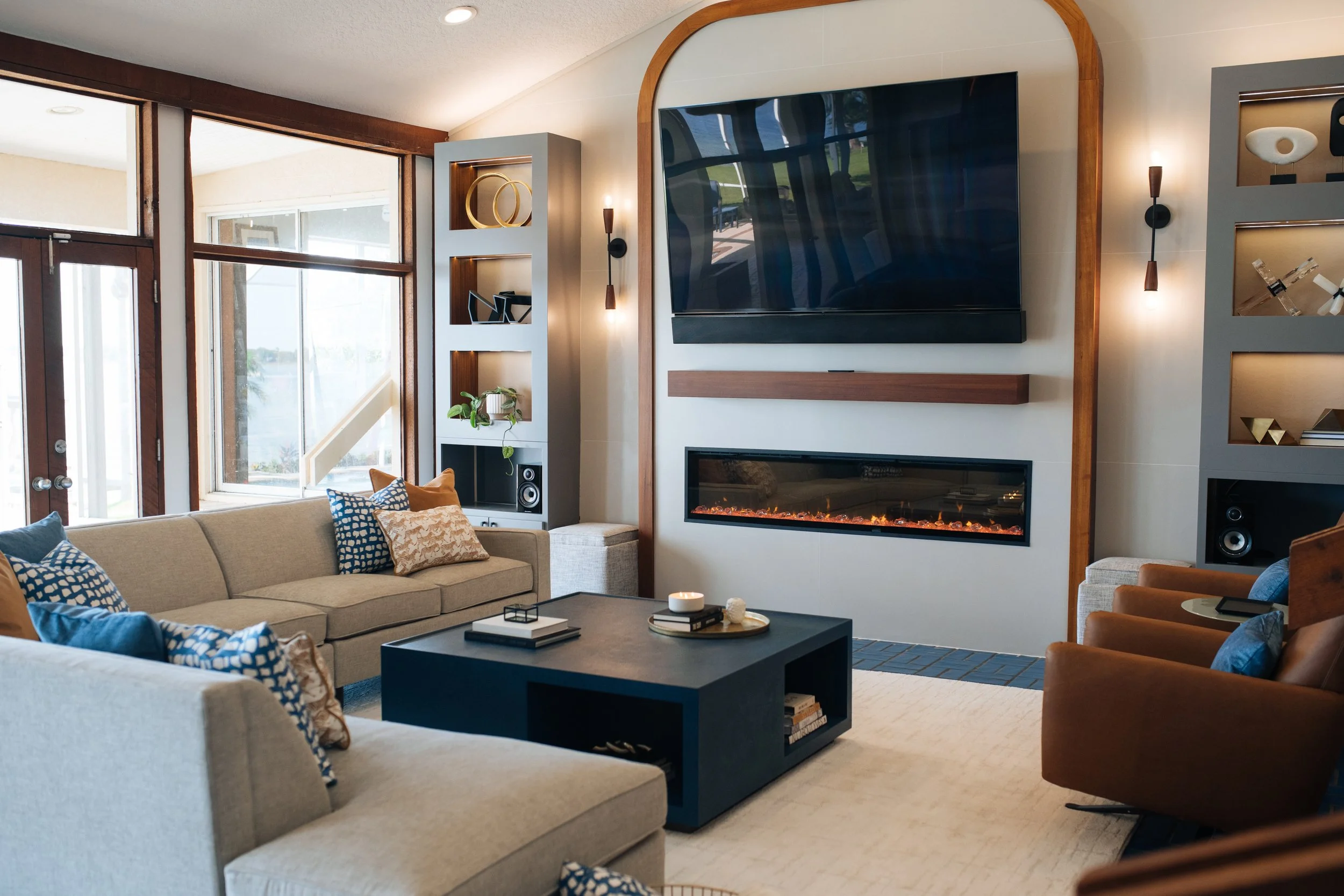
Start With the Lighting
Lighting is one of the quietest ways to transform a space, yet it is often treated as an afterthought.
The placement of recessed lighting, sconces, pendants, and decorative fixtures should be considered alongside the architecture and furniture plan. The goal isn't simply to have enough light — it's to create the right atmosphere and layers of light for how the space will actually be used.
Think Through the Electrical
Outlets and switches aren't particularly glamorous, but getting them right is part of what makes a home feel effortless.
Consider where you'll charge your phone, place a lamp, use small appliances, or install a television. These details are easy to overlook when looking at a floor plan, but you'll notice them every day once you live there.
Design Around How You Live
Before every piece of furniture is selected, the function of the room should be understood.
Where will the sofa sit? How will people move through the space? What needs to be centered? What deserves to be highlighted?
Furniture placement can influence lighting, electrical, windows, built-ins, and even architectural details. Good design considers all of these elements together.
Don't Forget the Windows
Window treatments may be the final layer of a room, but they shouldn't be the final thought.
Drapery, shades, motorization, hardware, and ceiling details all benefit from being considered early. Planning ahead allows the finished treatments to feel integrated into the architecture rather than added onto it.
The Luxury Is in the Planning
Luxury isn't necessarily about more materials, more furniture, or more decoration.
It's about intention.
It's about walking into a room where the lighting is exactly where it should be, the furniture feels naturally proportioned, the windows are framed beautifully, and nothing feels like a compromise.
Those details don't happen by accident.
They happen because the right decisions were made early enough to allow the design to come together seamlessly.
The most effortless homes are often the most thoughtfully planned.