
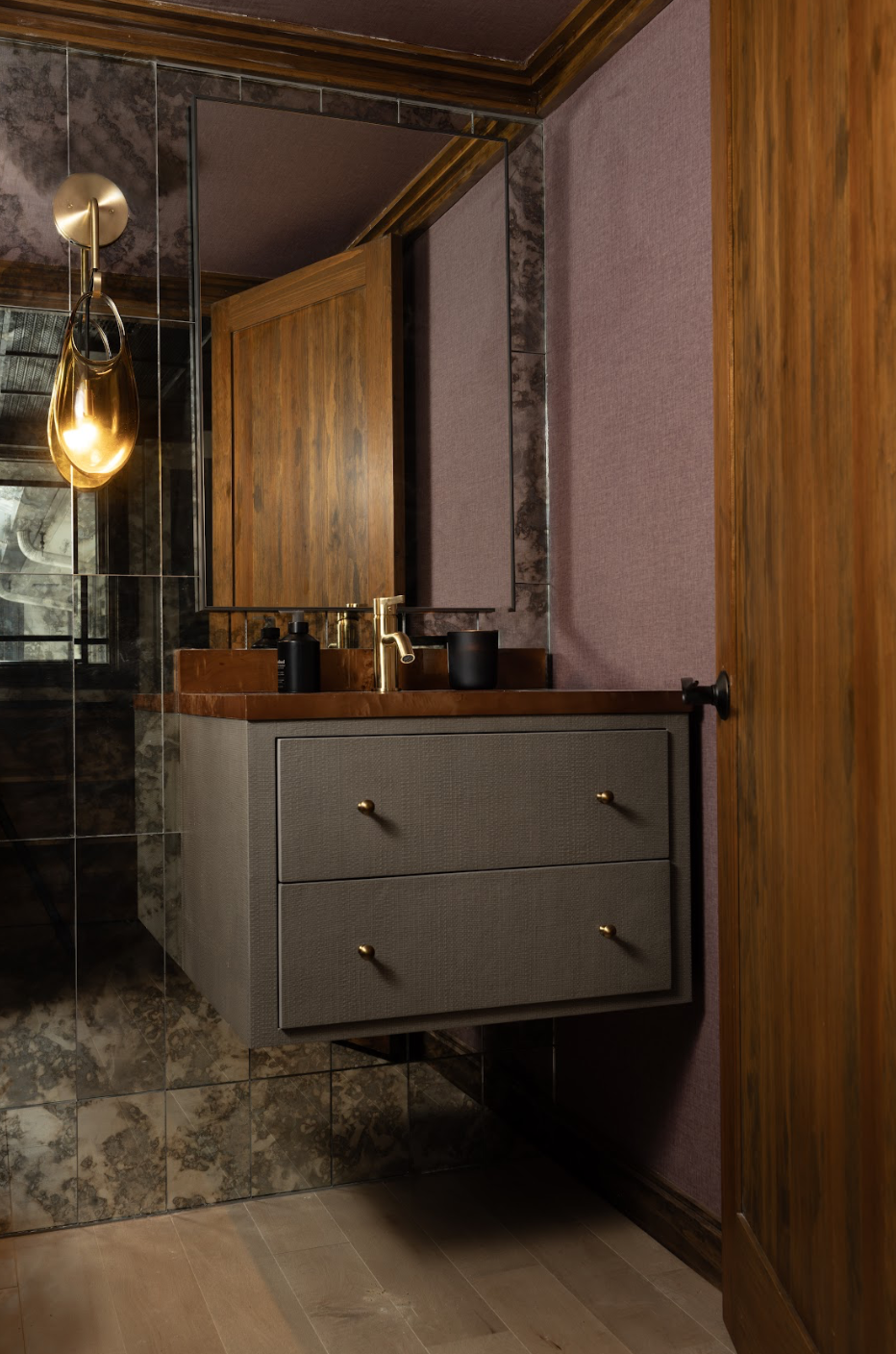
Lighting is one of the most powerful elements in a home, yet it is often treated as an afterthought.
Most people focus on finishes first. Cabinet colors, countertops, furniture, flooring, paint selections. But lighting is what ultimately shapes how all of those decisions are experienced. It influences mood, comfort, functionality, and even how materials appear throughout the day.
A beautifully designed home with poor lighting can feel cold, flat, or unfinished. A thoughtfully lit home feels layered, welcoming, elevated, and intentional.
Good lighting design starts with understanding that every room serves multiple purposes. A kitchen is not only for cooking. It is where families gather before school, where guests naturally congregate during parties, and where conversations happen late at night after dinner is over. A living room may function as a place for entertaining, reading, watching movies, or simply slowing down at the end of the day.
One overhead light cannot support all of those moments well.
That is why layered lighting matters so much. The most comfortable homes combine ambient lighting, task lighting, and accent lighting to create depth and flexibility throughout the day.
Ambient lighting provides overall illumination and sets the foundation for the room. This includes recessed lighting, ceiling fixtures, or architectural lighting details.
Task lighting supports specific activities. Pendants over a kitchen island, reading lamps beside a chair, under-cabinet lighting in a kitchen, or vanity lighting in a bathroom all improve functionality while making the space feel more intentional.
Accent lighting is where a home begins to feel elevated. This may include sconces highlighting textured walls, picture lighting over artwork, subtle toe-kick lighting, or lamps that create warmth and atmosphere in the evening.
Natural light is equally important. The direction a home faces changes the quality of light throughout the day. South-facing rooms often feel brighter and warmer, while north-facing rooms may feel softer and moodier. Materials also react differently to natural light. Warm woods, textured plaster, natural stone, and layered fabrics all become more dynamic when paired with thoughtful lighting.
Another common mistake homeowners make is selecting lighting fixtures that are too small for the scale of the room. Lighting should not disappear into the background. In many spaces, it should function as both architecture and art.
The best lighting plans are not only beautiful. They support the way people actually live.
They make mornings feel calmer. Evenings feel softer. Gatherings feel warmer. Daily routines feel easier.
When lighting is done well, most people cannot immediately explain why a home feels good.
They just know it does.